- Home
- | Blog
- | modeling ▼
- | My Work ▼
- | Advertising ▼
- | Fashion
- | Academy ▼
- | Online Course ▼
- | weddings ▼
- | About ▼
- | exhibitions ▼
- | Featured
- | yoktavya ▼
- | Search
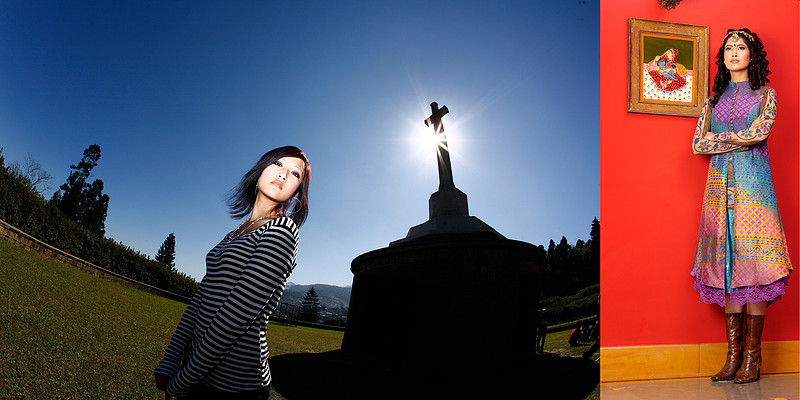
Back to BacklightingLet's get back to Backlighting. © munish khanna photography BACKLIGHTING The first rule of photography is to keep the sun behind the photographer and this is the first rule that you should break. Shooting backlit subjects is not all that difficult but beginners in photography do find it a bit challenging technically. It adds more depth to the images while creating a separation from the background. It emphasizes and highlights the shape of the subject. EXPOSURE To get the right exposure one may use a flash, Portable power light, Reflector or simply compensate for the exposure for the subject by adding any external reflector or light source. A good understanding of exposure is important when you aim to shoot against the sun. METERING You may switch over to spot metering while shooting on Aperture priority mode, which I generally recommend. Make sure that the Spot overlaps the area in the image which you wish to record as the middle grey. This is the area your camera's meter will read the light from and ignore the other areas. BACKLIGHT BUTTON Many cameras have a dedicated Back light button. When pressed at Aperture priority mode, the camera automatically sets the shutter speed at one and half stops lower shutter speed to compensate. LONG LENSES Note that when using long lenses and when completely filling the subject in the frame, there is no need of any compensation because as the light travels in straight lines, the camera's meter is reading the light anyways from the surface of the subject. For example, when shooting portraits and framed tight, go by the reading as suggested by the camera as the backlight is not really entering the lens or influencing the metering in any manner. When shooting with wide-angle lenses, you do see the brightly exposed areas as well which may cause underexposure on your main subject. FLARE Though you can use flare as a creative input in your photographs, it should not happen just by accident. You are more prone to getting flare when shooting with wide-angle lenses as compared to long lenses. There is a greater chance of stray light from the sun or other light sources coming from behind the subject hit the lens surface without having a role in the image formation. Its always better to shoot with wide-angle lenses with a Lens hood on. PURPOSE One of the main purposes of backlighting is to create a separation from the background if these are of similar dark tones. This is a very common technique of achieving separation as it creates a nice highlight around the edges of the subject and it thus stands out better against a dark background. helpful with dark hair and clothing. Even though it looks nice, it does not mean that separation is always desirable. Without this light, the image remains more subtle and subdued which is also fine in its own way. SILHOUETTES FLASH Always keep a flash handy if you plan to do a lot of photography against the light. You never know when you may need to ad it. The degree to which you add the strength of the flash will decided how natural the photograph appears. If the flash out up is less and diffused, the effect will also be subtle and natural. The viewer wont even make out if the flash was used. On the other hand you can underexpose the sky behind and make the flash your key source of light. UNCONVENTIONAL APPROACH This is a relatively unconventional approach in photography as in the majority of cases your subject will almost always expect to be facing the photographer with the sun behind him. That is, they expect the sun to shine bright and clear on them and are of the general opinion that if the sun is behind them, they are obviously going to appear dark. This is where comes the great difference between the amateur and professional photographer, who is well equipped and experienced to handle such a situation well and rather to the best of his advantage. Your subject is more comfortable looking in the direction away from the sun instead of looking straight at the bright sun. TIME OF THE DAY Even though you can shoot against the light all throughout the day but there will be a difference in your approach. In the middle of the day the sun is almost overhead and even when you keep the sun kind of behind the subject there may still be light spilling on the nose of the subject. Even the hair will cast shadows on the face. You will have to make use of a good fill-in flashlight to take care of these shadows.
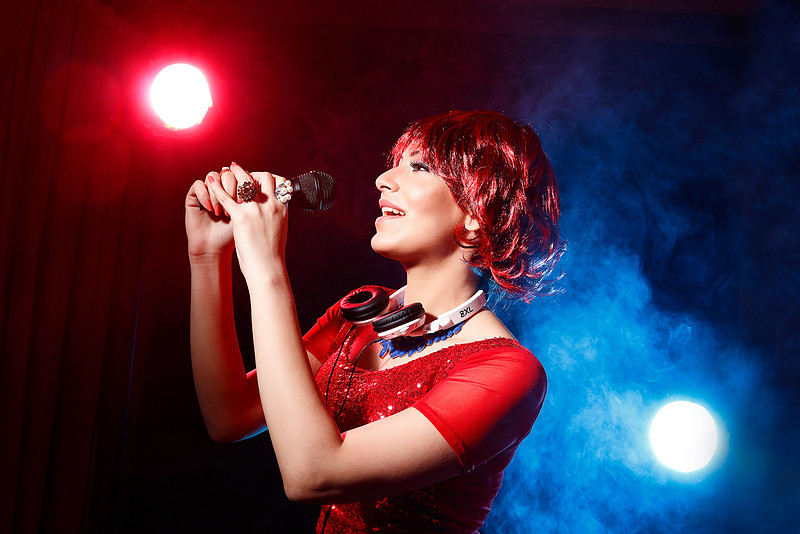
These photographs were shot for a Disco Jokey and the disco effect was created in our own photography studio. Discoes are full of lights and smoke. Simply included the studio lights right in the frame with coloured gels added on them This advertising campaign for Blankets was shot early morning. But the fog that you see is not really the actual fog but created out of smoke. backlighting is important for Smoke to show distinctly through the sunlight.
The transparency of the deep saturated green leaves would not have shown across had it not been shot against the light While the sun is relatively high in the sky, the light does get reflected back naturally from the sky in the opposite direction as well as the urban surroundings around us. Even if reflectors are not used, exposure compensation may work quite well in bringing out good detail in the subject. However, at sunset or towards twilight not much light gets reflected back on the subject, making it more relevant to add an external light source to fill in the darker areas of the subject.
Notice the longer shadows created by the low setting warm sunlight in the Buen Retiro Park in Madrid, Spain. The light is just coming through an opening between the trees. detail and accurate exposure in the subject is not important in such shots as the whole scene by itself is the Subject and not just those people. If it's an interesting shape one may choose to let it be a silhouette.
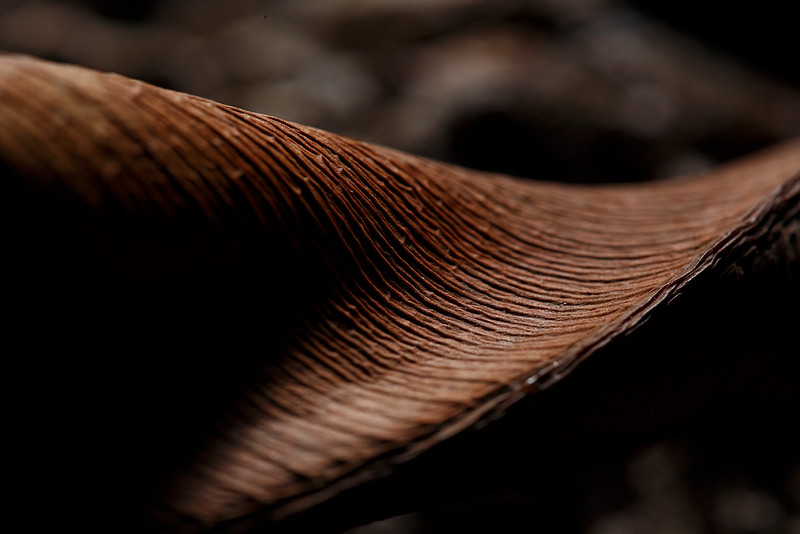
Backlighting is also ideal for revealing and highlighting texture besides shape. It is quite often used in lighting up nudes in a creative manner.
Munish Khanna is one of the best Advertising and Fashion Photographer who has specially created one of the best online photography courses with a vast experience of teaching photography at his photography academy in Delhi. He has been running his Photography course in Delhi since 1993. Munish also specializes in helping young (or any age ) aspiring models to build up a career in the world of modelling and Acting. Do check out more details about the Modelling portfolios which he offers in Delhi.
Keywords:
best fashion photography in delhi,
best online photography course,
munish khanna academy,
online photography course
Comments
No comments posted.
Loading...
|
Modeling Portfolios
Subscribe
RSS
Recent Posts
What are the different looks included in a Modelling Portfolio ?
Is it necessary to hire a professional photographer for the portfolio of the Miss India audition?
Portfolio for Models and Actors by top Photographer in Delhi
steps after a good modelling portfolio
Modelling portfolio features
Looks versus number of Photographs in a Modelling Portfolio
Behind the Scenes with Top Models
Industrial Photography
Committed to work-trait of a good Fashion model
FAQs -wedding photography
Archive
January
February
March
April
May
June
July
August
September
October
November
December
|







- Blog
- | modeling ▲
- | My Work ▲
- | Advertising ▲
- | Fashion
- | Academy ▲
- | Online Course ▲
- | weddings ▲
- | About ▲
- | exhibitions ▲
- | Featured
- | yoktavya ▲